



MadgeTech Blog — Food Processing

Ensuring Quality in Pasteurization

Posted on

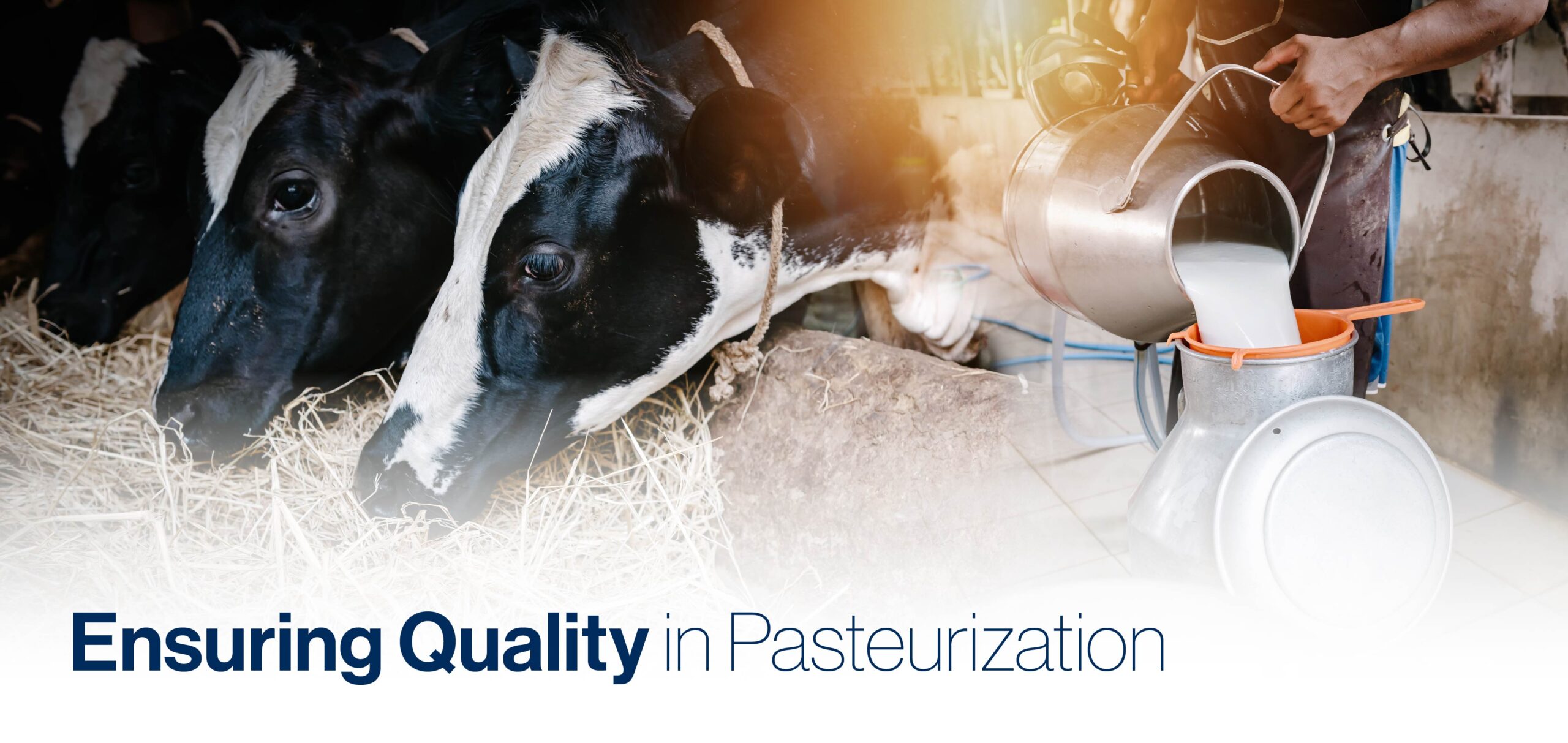
Pasteurization is a crucial process used in the food and beverage industry to ensure product safety by eliminating harmful pathogens through heat treatment. The effectiveness of pasteurization relies heavily on maintaining precise temperature control throughout the process. Accurate temperature monitoring is essential not only for compliance with health standards but also for preserving the quality and consistency of the product.

MadgeTech’s MicroTemp data logger is an invaluable tool for achieving such precision in pasteurization processes. This compact, submersible temperature data logger is designed to fit into small spaces, such as the neck of beverage bottles, making it ideal for monitoring the internal temperature during pasteurization. It can operate within a temperature range of -40 °C to +80 °C, covering the typical temperatures required for pasteurization.

The device is housed in a food-grade stainless steel casing, ensuring it does not react with the product or influence the pasteurization environment. It can store up to 32,767 temperature readings, providing a comprehensive profile of the temperature changes throughout the process. This data is crucial for validating that all parts of the product have reached the required temperature for effective pasteurization.

By using MadgeTech’s Data Logger Software, the data collected by the MicroTemp can be thoroughly analyzed to ensure the process adheres to the required pasteurization standards. This level of detailed monitoring helps manufacturers fine-tune their processes, ensure safety compliance, and maintain high-quality output consistently. Thus, the MicroTemp data logger serves as a critical component in upholding the integrity and safety of pasteurized products.
What are TCS Foods?

Posted on

What are TCS foods?

One of many abbreviations used in the food processing industry, TCS stands for time/temperature control for safety. In short, this refers to foods that require a specific time and temperature controls to remain safe. Understanding what TCS foods are and how to prevent them from becoming dangerous is key to keeping consumers safe.

Which foods are TCS?

Certain foods are more susceptible to bacterial growth based on their organic makeup. The levels of acidity and moisture as well as the overall composition of a food can determine if it creates an environment that promotes pathogen growth. Some of the most common TCS foods are:

  • Dairy & eggs
  • Meat & fish products
  • High-protein plants (including soybeans, chickpeas, and lentils)
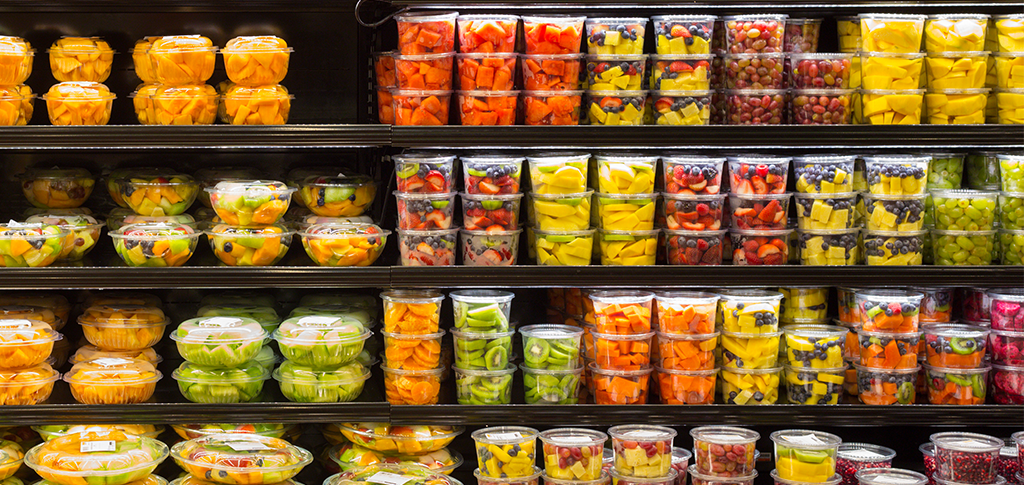
  • Cut fruit & vegetables
  • Cooked rice & beans

These foods (along with others) can spoil very quickly in uncontrolled environments. Think about the difference between storing a steak in a 40° F refrigerator versus in a hot car in the middle of July—which one would you want to eat?

What makes these potentially dangerous?

The danger of TCS foods is introduced when the food passes through what is known as the temperature danger zone. This temperature range is from 40° F to 140° F and is considered the ideal environment for bacterial growth in TCS foods. To put it into perspective, a single bacteria can double every 20 minutes if a food is kept in the danger zone.

To learn more about specific ways food can become unsafe if left at the wrong temperature, click here.

How can these foods be kept safe?

Knowing that bacteria grows the fastest in the danger zone, you can see how vital it is that food be kept out of the danger zone—or, if it must pass through the danger zone, that it do so quickly.

  • Be sure to follow instructions for temperatures and times when cooking food.
  • When serving hot foods, they should be kept at temperatures above 135° F.
  • Food must be cooled quickly; and should go from 135° F to 70° F within the first two hours, and down to 41° F within four hours.
  • Food should be stored at appropriate temperatures. Cold food should be held at 41° F or below, while frozen food should be held at cold enough temperatures to remain frozen.
  • Thaw frozen food in the refrigerator, not sitting out at room temperature.

A vital part of keeping TCS foods safe is ensuring that your refrigerator or refrigerators are maintaining the proper temperature, so that cold and cooling foods are kept out of the danger zone as much as possible.

The most precise and efficient way to monitor the temperature of your refrigerators is a data logger, such as the MadgeTech RFTCTEMP2000A. This compact device fits conveniently inside a refrigerator and delivers superior accuracy in measuring temperatures. In addition to monitoring ambient temperature, the RFTCTemp2000A also accepts an external thermocouple that can be used with a thermal buffer to more accurately mimic the temperatures your foods are experiencing.  Even better, you can set up desired temperature ranges for the logger, and it will e-mail or text you if the temperature leaves the set range. This way, you can monitor your refrigerators without constantly having to open them to check a thermometer.

For more information on how MadgeTech temperature data loggers could help you keep your TCS foods at safe temperatures, please reach out to the MadgeTech sales team.