


MadgeTech Blog

From Prototype to Production: Data Loggers in Automotive R&D

Posted on

Before a new vehicle ever hits the road, it survives hundreds of hours inside test cells, environmental chambers, and durability labs. Automotive R&D is a world where heat, pressure, vibration, and electrical load push components to their limits—and where dependable data drives every decision. That’s why engineers turn to MadgeTech data loggers at every stage of the development cycle.

Early in the process, high-temperature characterization is essential. The X Series thermocouple loggers deliver fast, accurate thermal profiling for engine blocks, turbochargers, exhaust systems, and brake components. These insights guide early design choices long before full system integration begins.

As prototypes evolve, testing becomes more complex. With eight universal input channels, the Titan S8 simultaneously captures temperature, current, voltage, and pulse data, making it a powerful tool for engine dyno runs, EV battery experiments, and multi-sensor chamber studies. It provides the complete picture engineers need as systems begin interacting under real-world conditions.

Mechanical durability comes next, where components face relentless shock and vibration. The UltraShock logger measures acceleration, impacts, and environmental conditions, helping teams validate chassis components, electronics housings, and suspension hardware against demanding durability standards.

Environmental simulations also play a critical role. The RHTemp1000, monitors temperature and humidity inside climatic chambers, ensuring that interior materials, electronics, and adhesives survive extreme hot-soak, cold-soak, and humidity cycling.

And when pressure dynamics matter, the PRTemp140 delivers accurate pressure-plus-temperature monitoring for coolant circuits, oil systems, turbochargers, and hydraulic components.

From thermal mapping to vibration endurance, and from environmental exposure to real-world operational cycling, MadgeTech equips automotive innovators with the precise insights needed to move confidently from prototype to production.

Oven Efficiency Unleashed: How Data Loggers Cut Costs in Food Production

Posted on

In food production, every degree matters. An oven running even slightly too hot—or not hot enough—can lead to wasted energy, inconsistent quality, and costly rework. That’s why bakeries, ready-meal facilities, and large-scale processors are turning to advanced data logging as their secret weapon for improving oven performance. 

At the heart of accurate oven profiling is real, trustworthy data. MadgeTech’s HiTemp140 series, designed for high-temperature monitoring, gives processors a precise view of what’s actually happening inside their ovens—not what the control panel reports. By placing loggers throughout the oven, teams can map temperature uniformity, uncover hot and cold zones, and verify that products move through the ideal thermal curve. 

For continuous or conveyor-style systems, the X-Series data loggers offer multipoint oven profiling without disrupting production. These rugged, high-temperature loggers travel through the entire process, recording temperature trends that reveal inefficiencies, heat loss, and inconsistent airflow. With this information in hand, facilities can fine-tune burner settings, airflow controls, and conveyor speeds to reduce energy consumption while maintaining product integrity. 

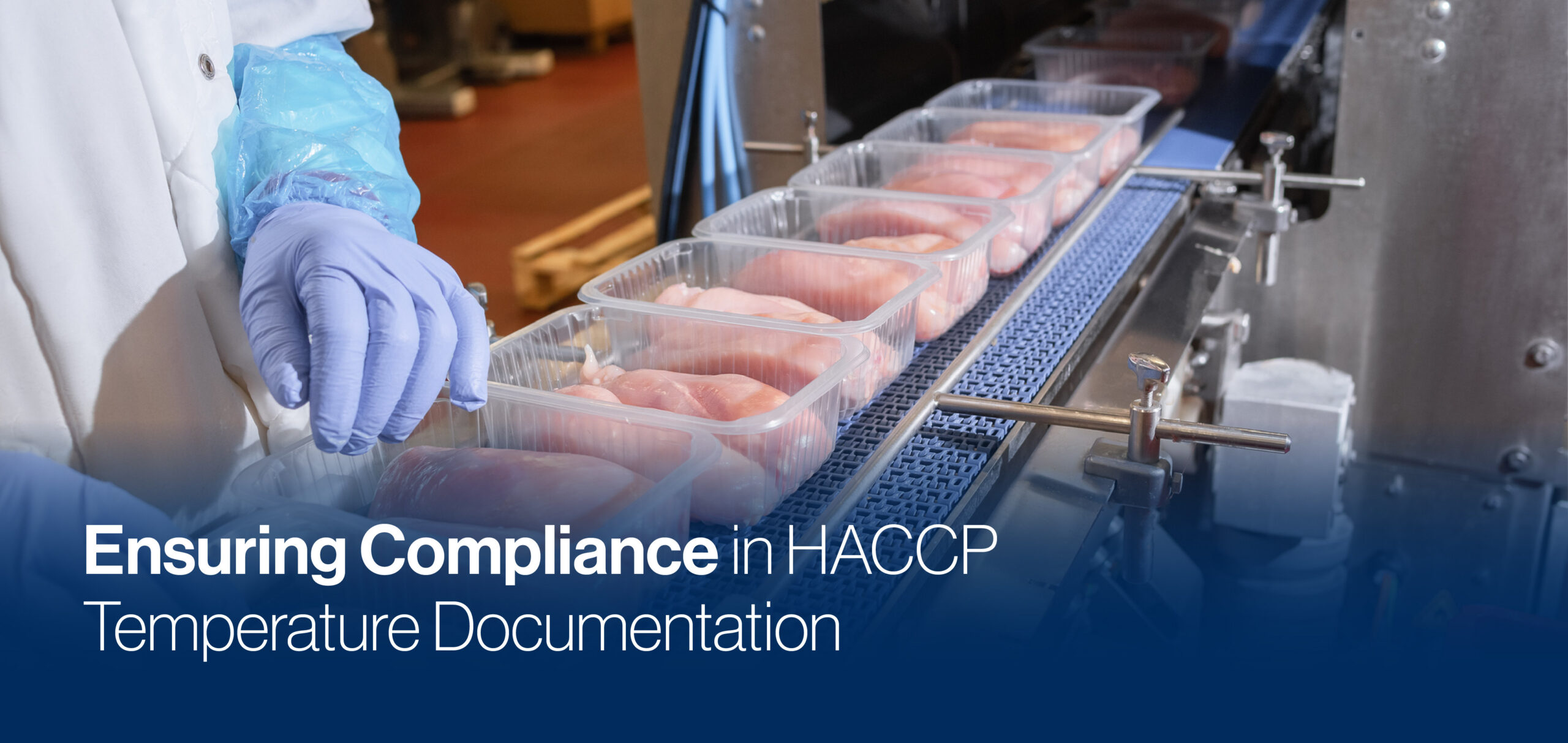
Beyond temperature mapping, MadgeTech loggers help processors validate compliance with HACCP and FSMA guidelines by proving that critical control limits are met during every run. Automatic reporting through the MadgeTech software suite turns raw data into actionable insights—allowing teams to track improvements and document savings over time. 

In an industry where margins are tight and reliability is non-negotiable, optimizing oven efficiency isn’t just smart—it’s essential. With MadgeTech’s robust suite of temperature monitoring tools, food manufacturers gain the clarity they need to reduce energy costs, enhance consistency, and deliver quality products with confidence. 

From Benchtop to Bioreactor: Monitoring Environmental Conditions in R&D and Production

Posted on

Every life-science breakthrough begins in the quiet corner of a lab. A single flask sits inside a small incubator, and researchers check it constantly—hoping it behaves exactly as expected. At this earliest stage, even tiny temperature changes can alter results. That’s why many teams rely on high-precision data loggers to capture consistent, trustworthy temperature readings while the science takes its first steps forward.

As experiments progress, the setup grows. What once fit on a benchtop begins moving into stability chambers, cleanrooms, and pilot-scale vessels where temperature and humidity both matter. Data loggers capable of monitoring dynamic environments become essential here—quietly tracking conditions inside controlled spaces to ensure samples, cultures, and materials stay exactly where they need to be.

Then comes the point where chemistry meets engineering. Processes such as fermentation, buffer prep, and media conditioning depend heavily on maintaining the correct pH. With data loggers that monitor parameters such as pH and temperature, scientists can observe shifts in real time and fine-tune the process before scaling it to the next level.

Eventually, the work reaches full-scale production. Large bioreactors hum steadily, environmental rooms hold tight specifications, and operators depend on multiple inputs to keep everything running smoothly. Multi-channel data loggers step in here—bringing together readings from various sensors to monitor complex systems simultaneously and ensure nothing drifts out of range during critical production steps.

From the earliest benchtop experiment to full bioreactor manufacturing, MadgeTech data loggers support life-science teams through every stage of scale-up—delivering the environmental insights needed to protect product quality, maintain compliance, and move forward with confidence.