







 Posted on
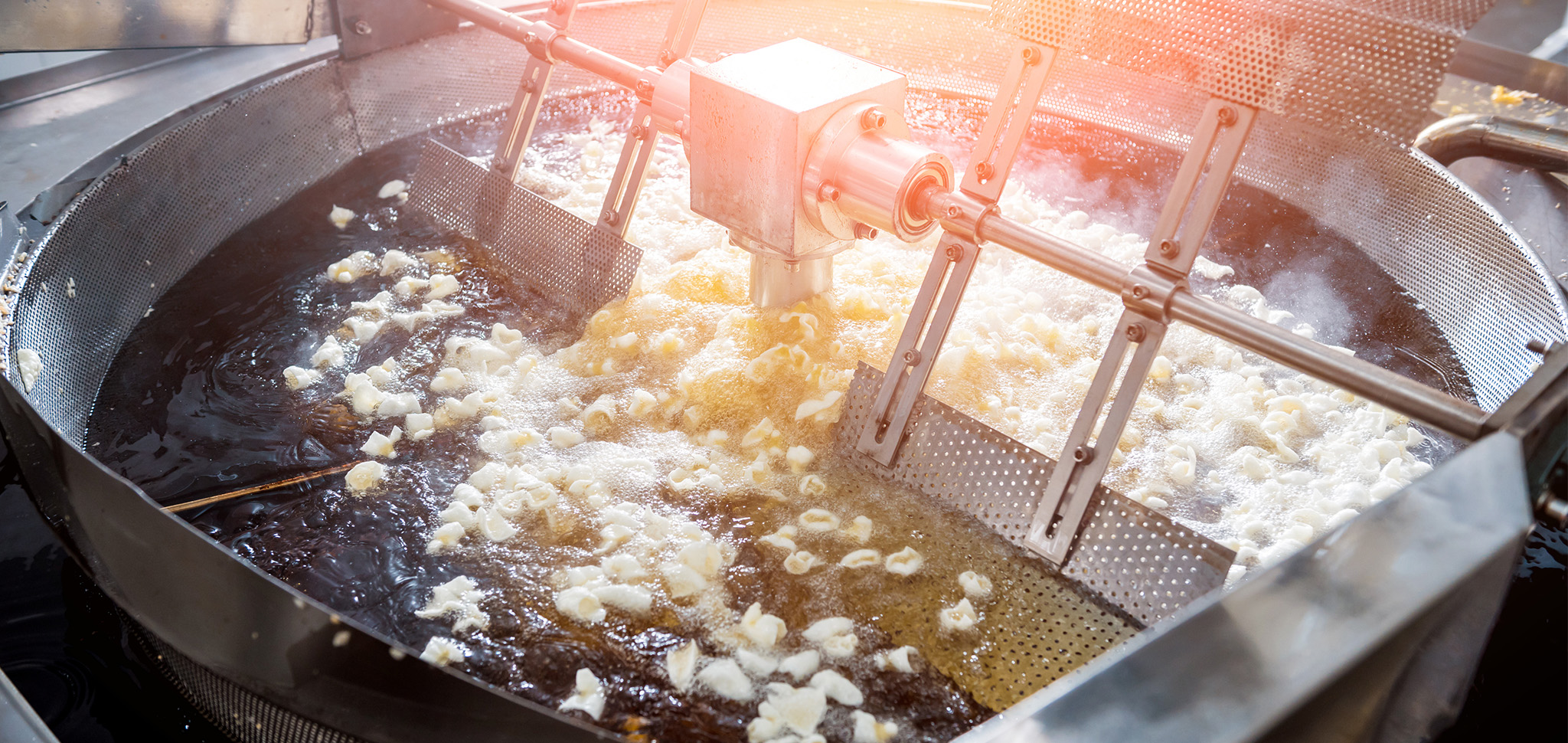
Commercial frying is a common food manufacturing process used to produce products such as snack foods, fried vegetables, and prepared meals. Maintaining consistent oil temperature during frying is essential for achieving uniform product quality, supporting food safety, and improving operational efficiency.
When oil temperatures fall below the desired range, food products may absorb excess oil, resulting in an undesirable texture or appearance. If temperatures rise too high, products can burn or develop off-flavors. Excessive heat can also accelerate oil degradation, shortening oil life and increasing operating costs.
Because frying systems operate continuously in many food production facilities, maintaining stable oil temperatures can be challenging. Variations may occur due to changes in product load, equipment cycling, or uneven heat distribution within the fryer. Without proper monitoring, these fluctuations may not be detected until product quality is affected.
Continuous temperature monitoring allows manufacturers to track oil conditions throughout the frying process.
By placing high-temperature data loggers within the frying system, quality teams can document temperature trends during production cycles. This data helps identify temperature drift, heating inconsistencies, or areas within the fryer where heat distribution may be uneven. With accurate temperature profiles, operators can adjust heating controls or production speeds to maintain consistent frying conditions.
Monitoring oil temperature not only supports consistent product quality but also helps optimize equipment performance and extend oil life. By turning frying conditions into measurable data, manufacturers can maintain greater control over their processes and ensure reliable production outcomes.
