



MadgeTech Blog

From Raw Data to Results: A Guide to MadgeTech Software Features

Posted on

Turning raw data into clear, actionable insights is simple with MadgeTech’s powerful software suite. Paired with high-precision devices like the HiTemp140, the software streamlines every step of the data collection and analysis process—saving time, improving accuracy, and strengthening compliance.

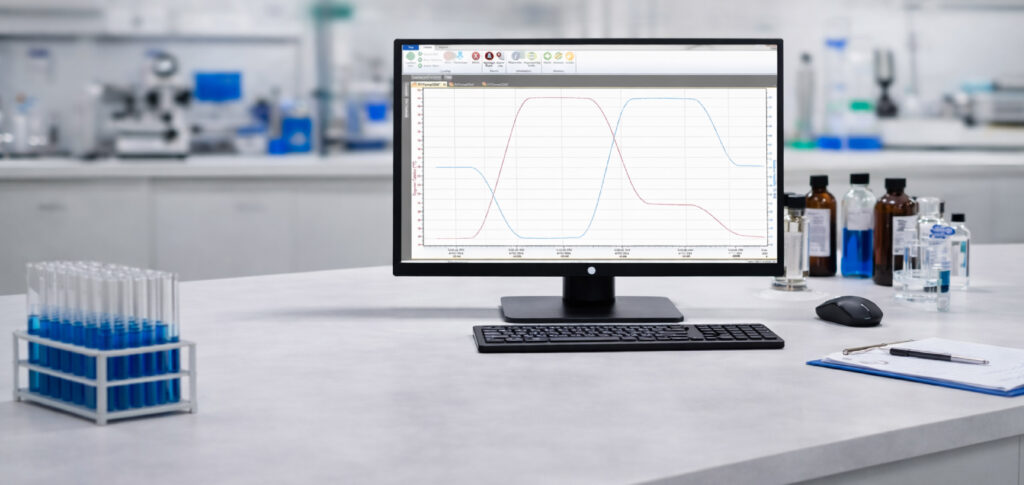
The heart of the platform is MadgeTech 4, which offers intuitive graphing tools, customizable views, and the ability to overlay multiple runs for comparison. But the software goes far beyond visualization. Users can take advantage of automatic logger starting and stopping, ensuring data collection begins exactly when needed. Trigger settings add an extra layer of control, allowing the logger to start recording only when a defined condition—such as a temperature of 90 °—is reached, capturing only the most relevant data.

For regulated industries, the Secure Software option provides full 21 CFR Part 11 compliance, including audit trails, electronic signatures, and robust security features designed for validated environments.

Reporting is also effortless. With automatic report generation, the software formats and compiles your graphs, data tables, and statistics into ready-to-use documents perfect for audits or quality reviews. Users can also set custom calibration interval reminders to maintain accuracy and stay ahead of required maintenance cycles.

From streamlined data retrieval to precision controls and automated reporting, MadgeTech software elevates the usability of the HiTemp140—delivering a complete, reliable pathway from raw data to confident results.

Extreme Conditions, Exact Data: Oilfield Monitoring with Rugged Data Loggers

Posted on

In the oilfield, nothing stays predictable for long. Pressure rises without warning. Temperatures swing sharply between operations. Humidity creeps into enclosures and instrumentation rooms, quietly accelerating corrosion. In conditions like these, operators need more than standard monitoring tools — they need equipment built for the extreme.

MadgeTech’s PR1000IS is one of those tools. Designed for hazardous Class I, Division 1 environments, this intrinsically safe logger is built from durable 316 stainless steel with a secure ¼-inch NPT pressure port. Whether it’s mounted on a wellhead, pipeline port, pump system, or hydraulic line, the PR1000IS delivers precise pressure and temperature readings even when conditions turn volatile. With pressure ranges available up to 5,000 PSIA, a temperature rating of –40 °C to +80 °C, and a memory capacity of more than 2.7 million readings, it remains reliable through long-term, high-demand field use.

But pressure alone doesn’t tell the full story. Inside control shelters, tanks, and equipment enclosures, humidity and temperature shifts often predict failures long before they’re visible. The RHTemp1000IS, also Class I, Division 1 certified, is built for these hidden risks. It monitors 0–100% RH, temperature from –40 °C to +80 °C, and logs up to 32,768 readings, all within a rugged 316 stainless-steel housing sized for tight spaces.

Together, the PR1000IS and RHTemp1000IS give oilfield teams a clearer picture of the conditions they face — above ground, below ground, and everywhere in between. Because when environments are extreme, MadgeTech ensures your data never is.

Mapping Temperature Uniformity in Stability Chambers and Incubators

Posted on

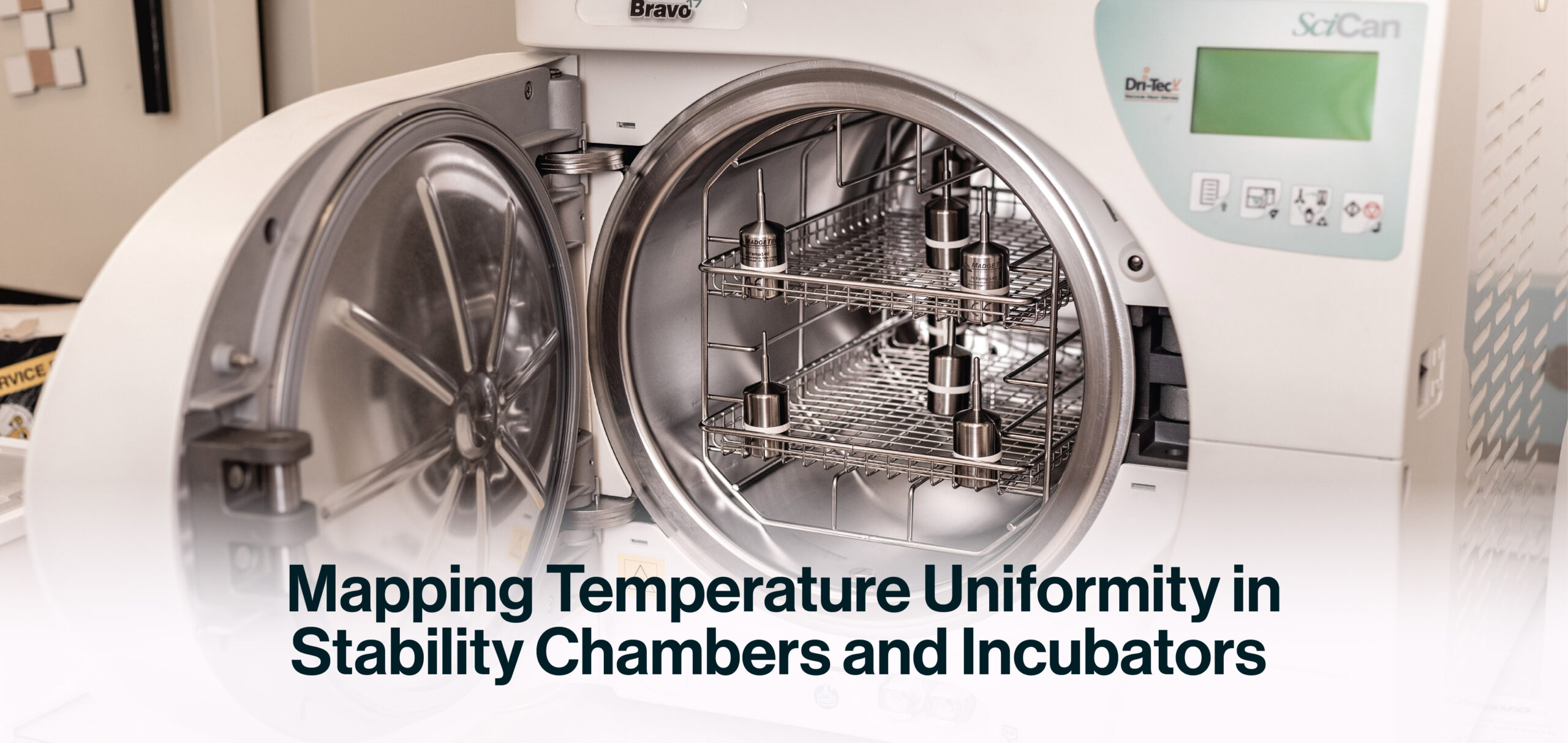
In the life science industry, maintaining consistent environmental conditions is essential for the integrity of sensitive materials such as vaccines, biologics, reagents, and cell cultures. Whether stored in incubators, stability chambers, or pharmaceutical-grade refrigerators, these products rely on precisely controlled temperature (and sometimes humidity) to remain viable. Temperature mapping is a critical process used to validate and monitor these conditions—ensuring that every area within a chamber remains within the required range.

Temperature mapping involves placing sensors or data loggers at multiple locations inside a chamber to detect variations in temperature distribution. These variations can occur due to airflow patterns, proximity to doors or walls, shelving configurations, or equipment cycling. Identifying and documenting these fluctuations is key to meeting regulatory requirements (such as those from the FDA or EMA), as well as ensuring the quality and safety of stored materials.

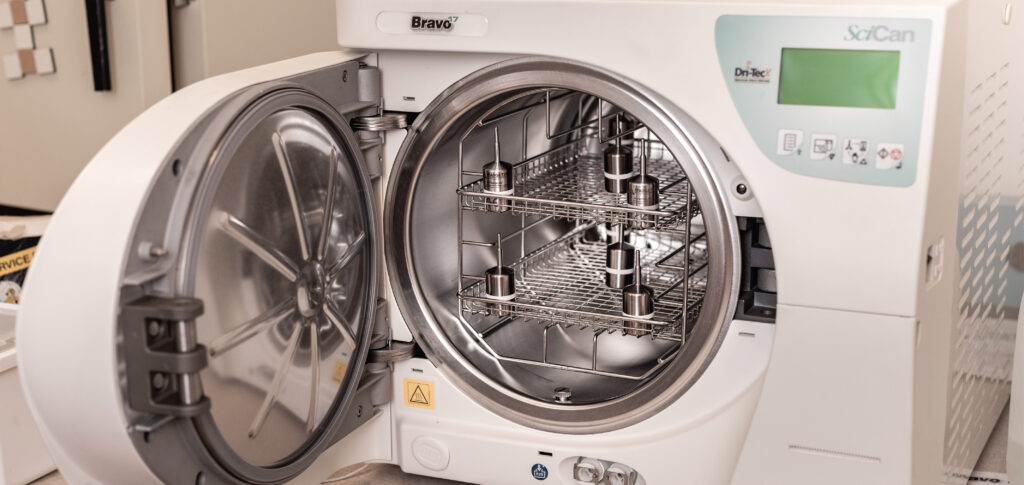
During a typical mapping study, sensors are positioned throughout the chamber—including corners, center points, and near any known problem areas. Data is collected over a defined period, often with the chamber under both empty and loaded conditions. This helps identify any cold or hot spots and confirms that the chamber maintains uniform temperature throughout.

Many facilities opt for multi-channel data logging systems for mapping, which allow simultaneous measurement at multiple points. This not only improves accuracy but also saves time compared to using single loggers. In some cases, wireless or Bluetooth-enabled loggers—like MadgeTech’s RF2000A series—are used to simplify data retrieval and reduce the need for manual checks during long-term studies.

Whether for initial equipment qualification or ongoing performance verification, temperature mapping is an essential part of environmental monitoring in the life sciences. It supports both compliance and confidence—ensuring that critical research and life-saving products are stored in the conditions they require.