







 Posted on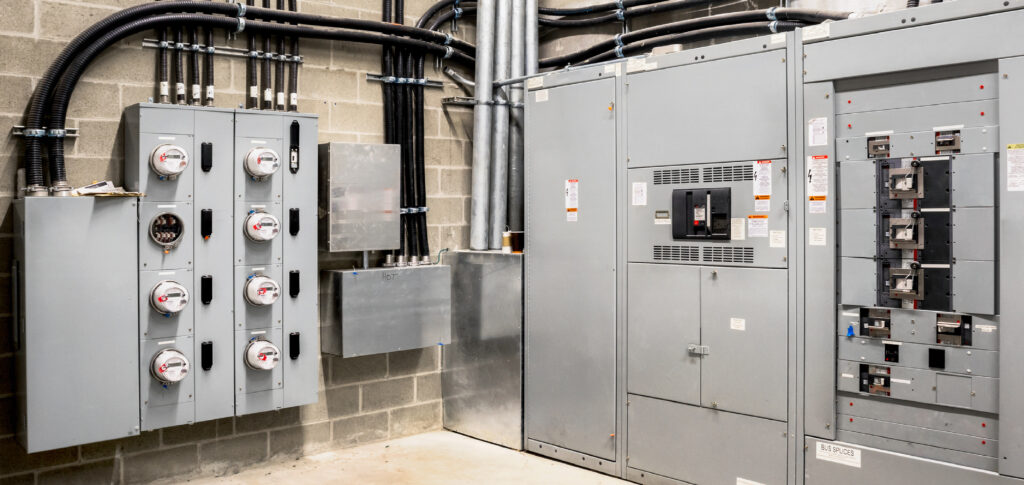
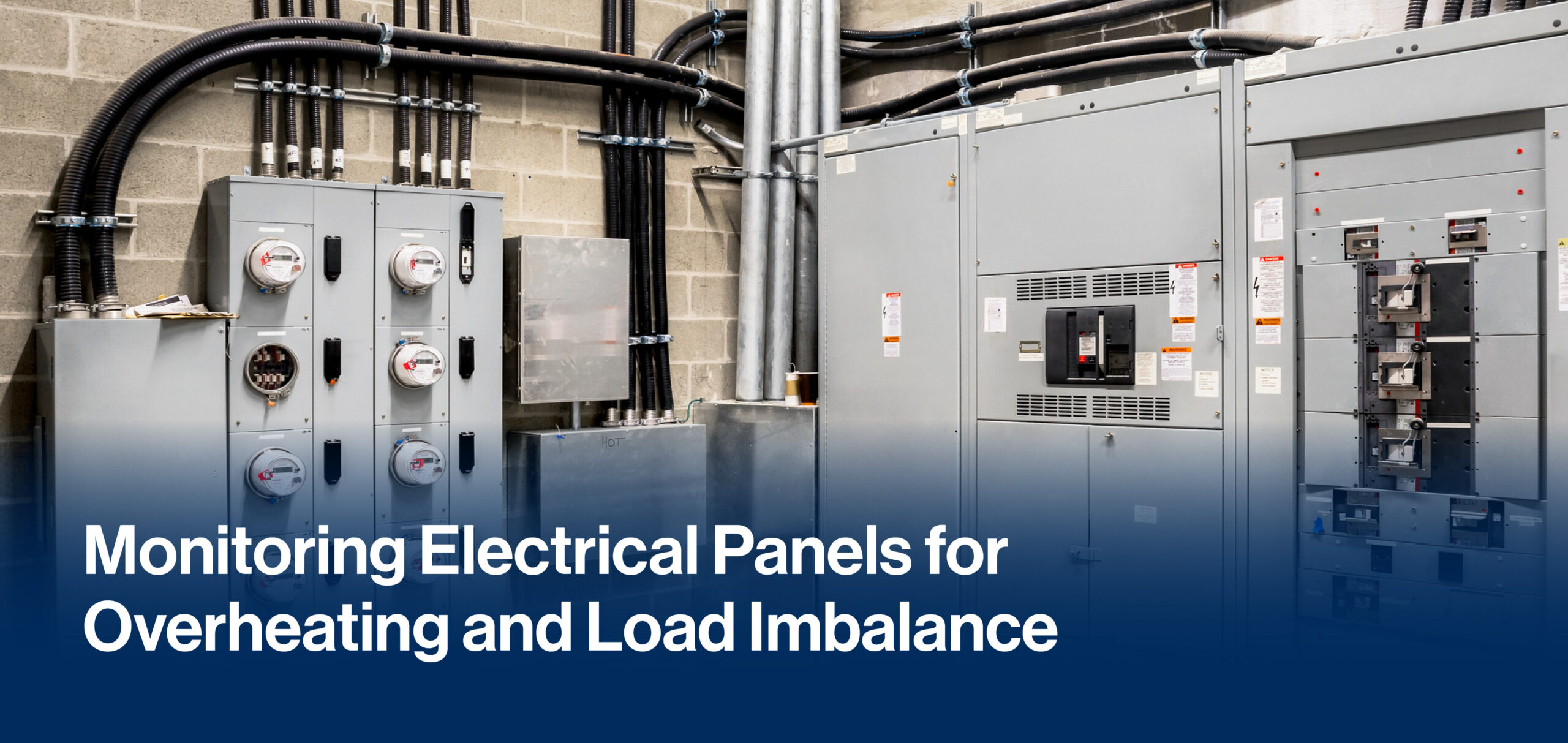
Walk through almost any production facility, and you will find electrical control panels mounted along walls, beside machines, or inside utility rooms. Their doors are typically closed and their indicator lights steady, making them easy to overlook during daily operations. Yet inside these enclosures, power is constantly being distributed to motors, conveyors, HVAC systems, and other equipment that keep the facility running.
Most of the time, these systems operate quietly and reliably. However, when electrical conditions begin to drift outside normal limits, the earliest warning signs often develop inside the panel itself.
One of the most common issues is heat buildup. Electrical components naturally generate heat during operation, but that heat must remain within safe limits. Overloaded circuits, loose electrical connections, aging components, or restricted airflow can all cause temperatures inside a panel to rise. Even moderate increases in temperature can accelerate insulation breakdown and shorten the lifespan of breakers, relays, and contactors.
Another concern is load imbalance. In three-phase electrical systems, power should be distributed as evenly as possible across each phase. When one phase carries significantly more load than the others, motors and transformers experience additional stress. This imbalance generates excess heat, reduces system efficiency, and can contribute to premature equipment wear.
The challenge is that these issues often develop gradually and may go unnoticed between routine inspections. While thermal imaging and scheduled maintenance checks are valuable tools, they capture conditions at only a single moment in time.
By installing compact temperature data loggers in electrical cabinets, facilities can continuously monitor internal conditions. Temperature trend data helps identify gradual heat buildup, recurring spikes during peak production periods, or abnormal fluctuations that may signal developing electrical problems.
With better visibility into panel conditions, maintenance teams can respond earlier—helping prevent equipment damage, reduce downtime, and maintain reliable facility operations.
