


Posts by MadgeTech Marketing

About MadgeTech Marketing:

Founded in 1996, MadgeTech takes pride in maintaining our production process entirely out of our headquarters in Warner, New Hampshire. Proudly known as an industry expert, MadgeTech data logging solutions are sold in more than 100 countries around the world to the world’s most regulated industries, providing the validation needed for compliance and quality control.

Understanding Data Logger Accuracy and Calibration

Posted on

In today’s data-driven world, the accurate collection and analysis of information are essential for making informed decisions. This holds particularly true in scientific research, industrial processes, environmental monitoring, and various other fields where data loggers play a crucial role. Data loggers are electronic devices designed to record and store data over time, helping us gather valuable insights and trends. However, to ensure the reliability and validity of the data collected, it is vital to understand two critical aspects: data logger accuracy and calibration.

Data logger accuracy refers to the device’s ability to measure and record data with a high degree of precision. It is imperative to select a data logger with an accuracy level suitable for the specific application. For instance, a minor inaccuracy in temperature measurements may not be critical for routine office temperature monitoring, but it can be disastrous in pharmaceutical storage or climate research.

Calibration, on the other hand, is the process of comparing a data logger’s measurements to a known reference or standard. Over time, data loggers may drift from their original accuracy due to environmental factors, regular wear and tear, or other variables. Calibration ensures that the device remains within an acceptable range of accuracy. It involves adjusting the device’s settings or applying correction factors to maintain its reliability.

Regular calibration is a crucial step to guarantee the accuracy of data loggers. Depending on the application and the manufacturer’s recommendations, calibration should be performed at specific intervals. Some data loggers come with self-calibration capabilities or built-in sensors for continuous monitoring of accuracy.

Ignoring or neglecting data logger accuracy and calibration can lead to serious consequences. Inaccurate measurements may result in flawed research conclusions, compromised product quality, or environmental hazards. Therefore, it is essential to invest in high-quality data loggers, follow the manufacturer’s guidelines for calibration, and work with reputable calibration service providers when needed.

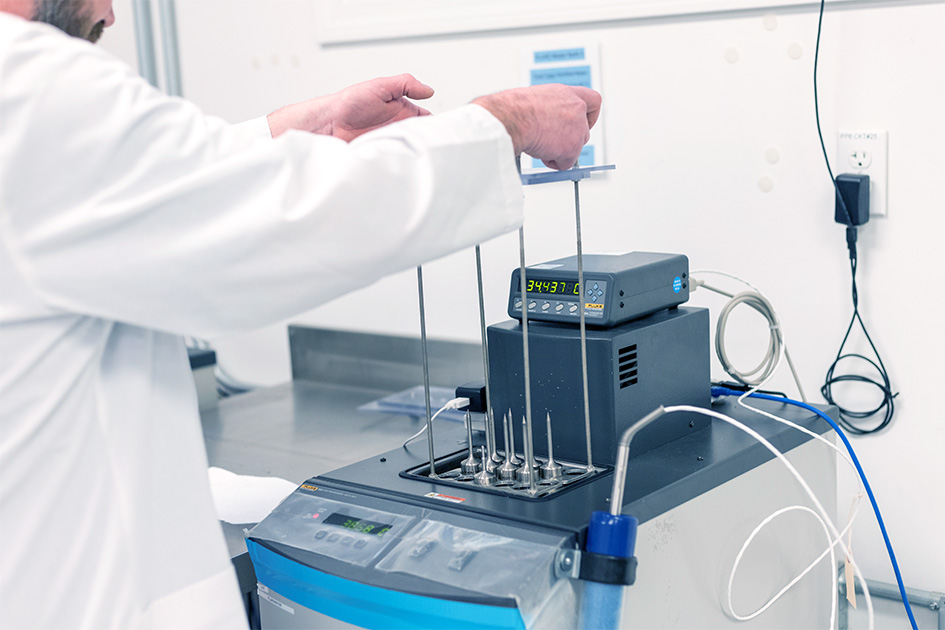
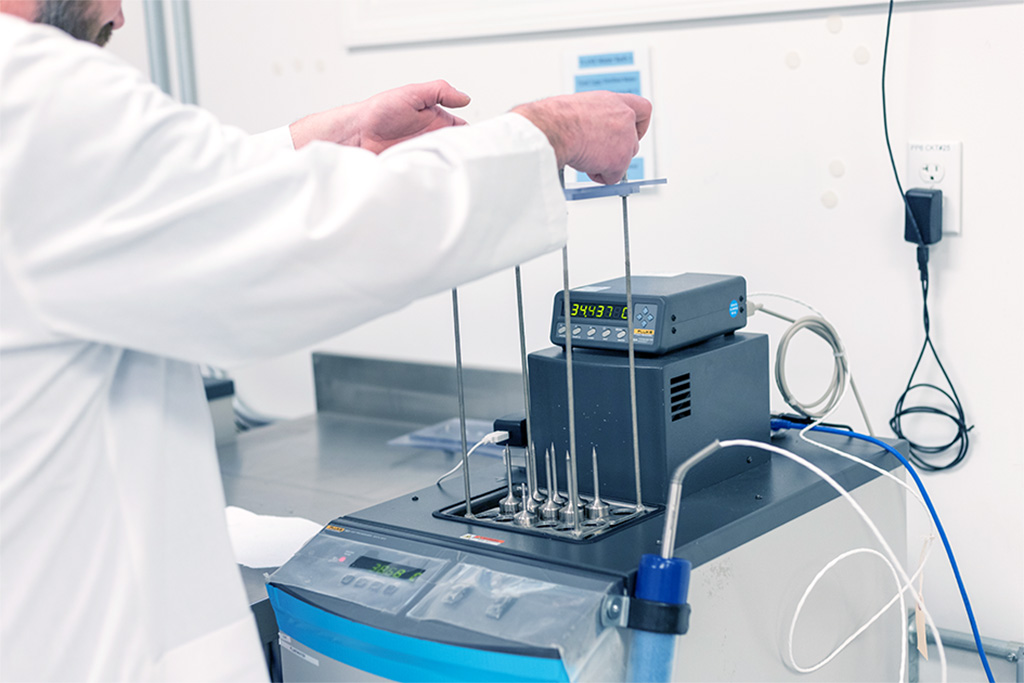
MadgeTech recommends annual calibration for all data loggers. With a streamlined process to return devices, you can rest assured that calibrations will be completed swiftly and efficiently in our ISO 17025 accredited calibration lab. By prioritizing accuracy and calibration, you can confidently rely on MadgeTech data loggers to deliver precise and reliable insights for your critical applications.


Under Pressure: Why Monitoring Pressure in Oil & Gas Rigs is Important

Posted on

Oil and gas rigs operate under high pressure and temperature conditions, making it essential to monitor pressure levels to prevent equipment failures and ensure worker safety. Pressure monitoring involves measuring the pressure within pipes, vessels, and other components of the drilling and extraction process to detect any fluctuations or abnormalities in the pressure levels.

There are several reasons why pressure monitoring is critical in oil and gas rigs, including:

Equipment Protection: High-pressure equipment such as valves, pumps, and pipelines are at risk of failure if the pressure exceeds safe limits. By monitoring pressure levels, technicians can detect pressure surges and take corrective action to prevent equipment damage.

Worker Safety: Workers on oil and gas rigs are exposed to high-pressure environments, which can be dangerous if not adequately controlled. Monitoring pressure levels is essential to ensure that workers are safe from the risks associated with high-pressure systems, such as ruptures or explosions.

Regulatory Compliance: The oil and gas industry is heavily regulated, and companies must comply with strict safety standards to avoid penalties and legal issues. Monitoring pressure levels is necessary to ensure compliance with regulatory requirements and prevent accidents that can lead to environmental damage or loss of life.

Cost Savings: Pressure monitoring can help reduce operational costs by identifying leaks or inefficiencies that can lead to wasted resources or downtime. By identifying and fixing these issues quickly, companies can minimize the impact on their operations and save money in the long run.

Environmental Protection: High-pressure systems can pose a risk to the environment if they fail, leading to spills or leaks that can have devastating consequences for local ecosystems. Pressure monitoring is necessary to detect potential leaks and prevent environmental damage.

Pressure monitoring is a critical part of oil and gas rig operations. By monitoring pressure levels, companies can protect equipment, ensure worker safety, comply with regulatory requirements, save costs, and protect the environment. To achieve this, pressure monitoring systems must be properly installed, calibrated, and maintained by trained professionals to ensure accurate and reliable readings.

To learn more, please contact MadgeTech at [email protected].

Simplify Grocery Store Temperature Monitoring with MadgeTech Data Loggers

Posted on

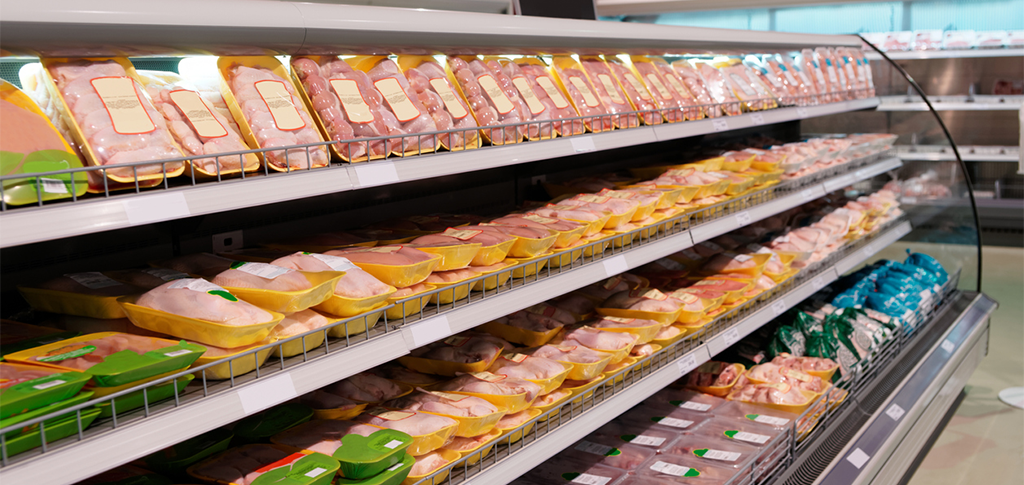
Grocery store refrigerators are essential for storing perishable food items such as meats, dairy products, and vegetables. However, if the temperature of the refrigerators is not monitored and controlled properly, it can result in the growth of harmful bacteria and spoilage of food products. This can lead to foodborne illness and significant economic losses for the grocery store. To prevent these risks, there are requirements for grocery store refrigerator temperature monitoring that must be followed.

The Food and Drug Administration (FDA) requires that grocery stores maintain refrigerator temperatures at or below 40 °F (4 °C) to ensure the safety and quality of food products. This is because temperatures above 40 °F can promote the growth of harmful bacteria, which can cause foodborne illness.

To comply with these requirements, grocery stores must install temperature monitoring devices in their refrigerators. These devices can include digital thermometers or data loggers, which can measure and record the temperature of the refrigerators over time. The data collected by these devices can be used to verify that the refrigerators are maintaining the required temperature range.

In addition, grocery stores must establish standard operating procedures (SOPs) for refrigerator temperature monitoring. These SOPs must outline the frequency of temperature monitoring, the procedures for recording temperature data, and the corrective actions that must be taken if temperatures fall outside of the required range. For example, if a refrigerator is found to be operating above the required temperature range, the grocery store must take immediate action to correct the problem, such as repairing or replacing the refrigerator or removing and disposing of any affected food products.

Grocery stores are also required to maintain records of refrigerator temperature monitoring. These records must be kept for at least two years and must be available for inspection by regulatory authorities. The records must include the date and time of temperature monitoring, the temperature readings, and any corrective actions taken.

MadgeTech data loggers simplify these requirements by providing an all-in-one solution. By utilizing the RFTCTemp2000A, temperature data can be collected and sent in real-time to a central PC or the cloud for remote monitoring. Moreover, alerts can be set up to automatically send text messages or email notifications if a temperature approaches or exceeds a user-defined threshold. The benefits don’t end there, though. When combined with MadgeTech 4 Data Logger Software, generating compliance reports becomes effortless, and the built-in database allows for easy organization and long-term preservation of reports.

By following these requirements for refrigerator temperature monitoring, grocery stores can ensure the safety and quality of their food products, prevent foodborne illness, and comply with regulatory requirements. Temperature monitoring is a critical component of food safety management and must be taken seriously by all grocery stores.

To learn more about MadgeTech’s solution for grocery store monitoring solutions, please contact [email protected].