


Posts by MadgeTech Marketing

About MadgeTech Marketing:

Founded in 1996, MadgeTech takes pride in maintaining our production process entirely out of our headquarters in Warner, New Hampshire. Proudly known as an industry expert, MadgeTech data logging solutions are sold in more than 100 countries around the world to the world’s most regulated industries, providing the validation needed for compliance and quality control.

Predictive Maintenance in Industrial Settings: The Role of Data Loggers in Condition Monitoring

Posted on

In the fast-paced world of industrial operations, maximizing machinery performance and minimizing downtime are crucial for staying competitive. Unplanned equipment failures can result in costly disruptions to production and decreased productivity. However, thanks to advancements in technology, condition monitoring with data loggers has emerged as a powerful tool for implementing predictive maintenance strategies in industrial settings.

Understanding Condition Monitoring

Condition monitoring involves the continuous monitoring and analysis of various parameters that provide insights into the health and performance of industrial machinery and equipment. Parameters such as temperature, vibration, humidity, pressure, and more can be monitored, depending on the specific application. By collecting and analyzing data over time, condition monitoring allows maintenance teams to identify potential issues and anomalies that may lead to equipment failure or suboptimal performance.

Transitioning from Reactive to Predictive Maintenance

Traditional maintenance practices have often been reactive in nature, addressing equipment issues after they have already resulted in failure. This approach can lead to unexpected downtime and higher repair costs. Predictive maintenance, facilitated by condition monitoring, takes a proactive stance by predicting equipment failures before they occur. This shift in maintenance strategies offers several advantages, allowing industries to optimize their operational efficiency.

The Role of Data Loggers in Predictive Maintenance

Data loggers are integral to the successful implementation of predictive maintenance strategies. These compact electronic devices come equipped with sensors to monitor various parameters in real-time, providing a continuous stream of data. Here’s how data loggers enable predictive maintenance in industrial settings:

Continuous Monitoring: Data loggers can be strategically installed on machinery and equipment to continuously monitor critical parameters. By capturing data at regular intervals, maintenance teams can identify patterns and trends over time.

Early Anomaly Detection: With predetermined thresholds set up, data loggers can promptly detect any deviations from normal operating conditions. These anomalies may indicate potential issues that could lead to equipment failure in the future.

Remote Monitoring: Many data loggers are equipped with wireless capabilities, enabling remote monitoring of equipment. This feature is particularly beneficial for large industrial facilities with multiple assets spread across vast areas.

Historical Data Analysis: The data collected by data loggers is invaluable for performing historical data analysis. By examining past trends and failure patterns, maintenance teams can make informed decisions about preventive measures.

Cost-Effective Solution: Data loggers offer a cost-effective approach to predictive maintenance. Compared to complex sensor systems, data loggers are relatively affordable and easy to install, making them accessible to a wide range of industries.

Benefits of Predictive Maintenance with Data Loggers

Implementing predictive maintenance through condition monitoring with data loggers provides numerous benefits to industrial settings:

Increased Uptime: By identifying potential equipment failures in advance, predictive maintenance minimizes unplanned downtime, ensuring continuous production.

Reduced Maintenance Costs: Predictive maintenance allows maintenance teams to plan and schedule repairs proactively, reducing overall maintenance costs.

Enhanced Safety: Ensuring equipment is in optimal condition improves workplace safety by preventing catastrophic failures.

Improved Asset Efficiency: Predictive maintenance helps optimize the performance of industrial assets, extending their operational lifespan.

Incorporating data loggers into condition monitoring processes is a valuable investment for any industrial facility seeking to optimize equipment performance, maximize uptime, and stay ahead in the competitive market. With data loggers facilitating predictive maintenance, industries can embrace a more efficient and cost-effective approach to asset management and ensure sustainable growth in the long run.

Temperature Mapping in Life Science Facilities: Optimizing Storage and Equipment

Posted on

In the realm of life sciences, maintaining precise temperature control is crucial for preserving the integrity and efficacy of various products, be it pharmaceuticals, vaccines, or biological samples. Any deviation from the specified temperature range can compromise the quality and stability of these sensitive substances. To ensure regulatory compliance and product safety, life science facilities rely on temperature mapping. This critical process involves systematic monitoring and validation of environmental conditions within storage areas and equipment. MadgeTech’s onsite service offering for temperature mapping and validations stands out as a reliable solution to optimize storage and equipment in life science facilities.

The Significance of Temperature Mapping

Temperature mapping, also known as thermal mapping, is the process of thoroughly assessing the temperature distribution and fluctuations within designated spaces like refrigerators, freezers, cold rooms, and incubators. By conducting comprehensive temperature mapping studies, life science facilities can:

1. Ensure Regulatory Compliance: Compliance with industry standards and regulations, such as Good Manufacturing Practices (GMP) and Good Distribution Practices (GDP), is essential for life science facilities. Temperature mapping provides concrete data to demonstrate adherence to these guidelines.

2. Preserve Product Integrity: Life science products, particularly pharmaceuticals and vaccines, are often sensitive to temperature variations. Proper temperature mapping ensures that products are stored under optimal conditions, maintaining their potency and effectiveness.

3. Prevent Costly Losses: Temperature excursions can lead to product spoilage, resulting in financial losses and potential risks to public health. By identifying and mitigating temperature fluctuations, facilities can minimize product wastage.

4. Enhance Product Quality: Reliable temperature mapping helps identify potential problem areas within storage units and equipment, allowing facilities to take corrective actions and improve overall product quality.

MadgeTech’s Onsite Service Offering

MadgeTech, a trusted leader in data logging solutions, offers an onsite service for temperature mapping and validations. This service is designed to simplify and streamline the temperature mapping process for life science facilities, ensuring accurate and efficient results.

1. Expert Assistance: MadgeTech’s team of qualified professionals are well-versed in temperature mapping protocols and industry requirements. They are equipped with cutting-edge technology and expertise to conduct precise mapping studies.

2. Comprehensive Mapping Studies: The onsite service covers various critical areas, including cold rooms, warehouses, incubators, stability chambers, and more. By mapping these spaces comprehensively, facilities can ensure product integrity across all storage environments.

3. Real-Time Monitoring: During the mapping process, MadgeTech’s data loggers are strategically placed to continuously record temperature data. This real-time monitoring captures any temperature fluctuations, providing valuable insights for facility managers.

4. Detailed Reporting: Upon completion of the mapping study, MadgeTech’s team compiles all the collected data into a comprehensive and easy-to-understand report. The report includes temperature graphs, statistical analysis, and any deviations from the desired temperature range.

5. Regulatory Compliance: MadgeTech’s onsite service offering ensures that life science facilities are well-prepared for audits and inspections. The detailed reports generated serve as tangible evidence of compliance with relevant regulations.

Temperature mapping is an indispensable practice in life science facilities, guaranteeing the optimal storage conditions required for sensitive products. By partnering with MadgeTech’s onsite service offering for temperature mapping and validations, facilities can benefit from expert assistance, comprehensive mapping studies, and detailed reports. This ensures compliance with industry regulations, enhances product quality, and minimizes the risk of financial losses due to temperature excursions. For more information and to schedule a mapping service, visit MadgeTech’s website or reach out to their team at [email protected].

How Data Loggers Preserve Taste and Nutritional Value in Food

Posted on

In the fast-paced world we live in, ensuring the quality and safety of food products has become more critical than ever. Consumers demand fresh and nutritious food that retains its original taste and flavor. From farm to table, there are various stages involved in the food supply chain where factors like temperature, humidity, and storage conditions can significantly impact the taste and nutritional value of food. This is where data loggers come into play, playing a vital role in preserving the quality of food products throughout the entire journey.

What are Data Loggers?

Data loggers are compact electronic devices designed to record and monitor environmental conditions over time. These devices are equipped with sensors that measure parameters like temperature, humidity, pressure, and more. By continuously tracking these factors, data loggers help identify and address any potential issues that could compromise the taste and nutritional content of food.

Preserving Taste and Flavor

One of the key factors influencing the taste and flavor of food is temperature. From harvest to consumption, maintaining the ideal temperature is essential to preserve the quality of various food items. For example, certain fruits and vegetables may require specific temperature ranges to slow down ripening and prevent spoilage. With the help of data loggers, stakeholders along the supply chain can closely monitor and adjust storage conditions to ensure that produce remains fresh and appetizing.

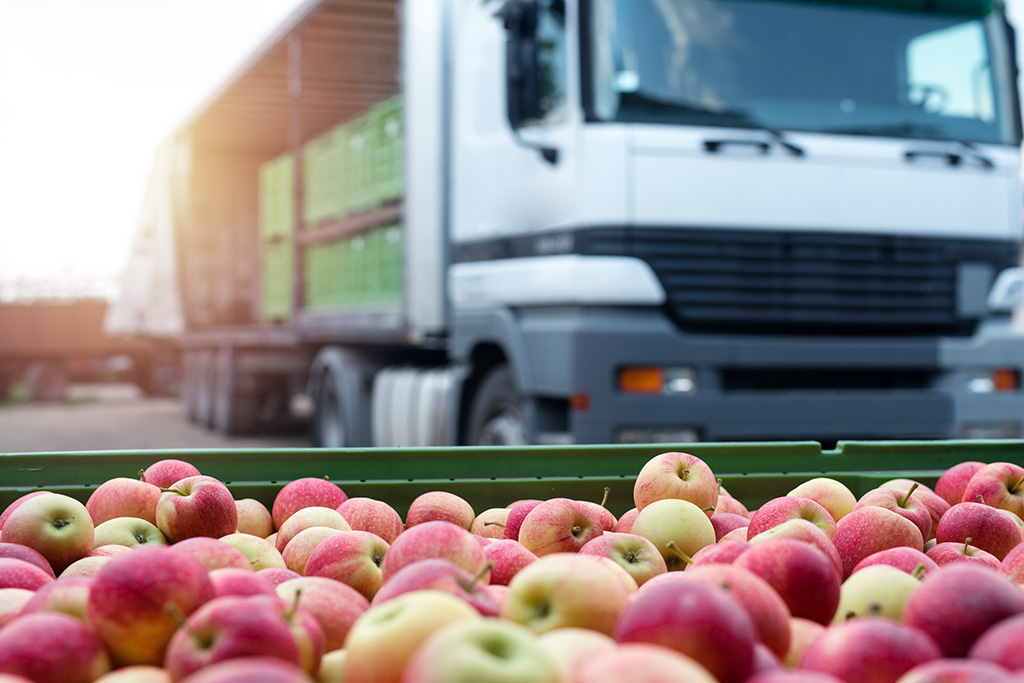
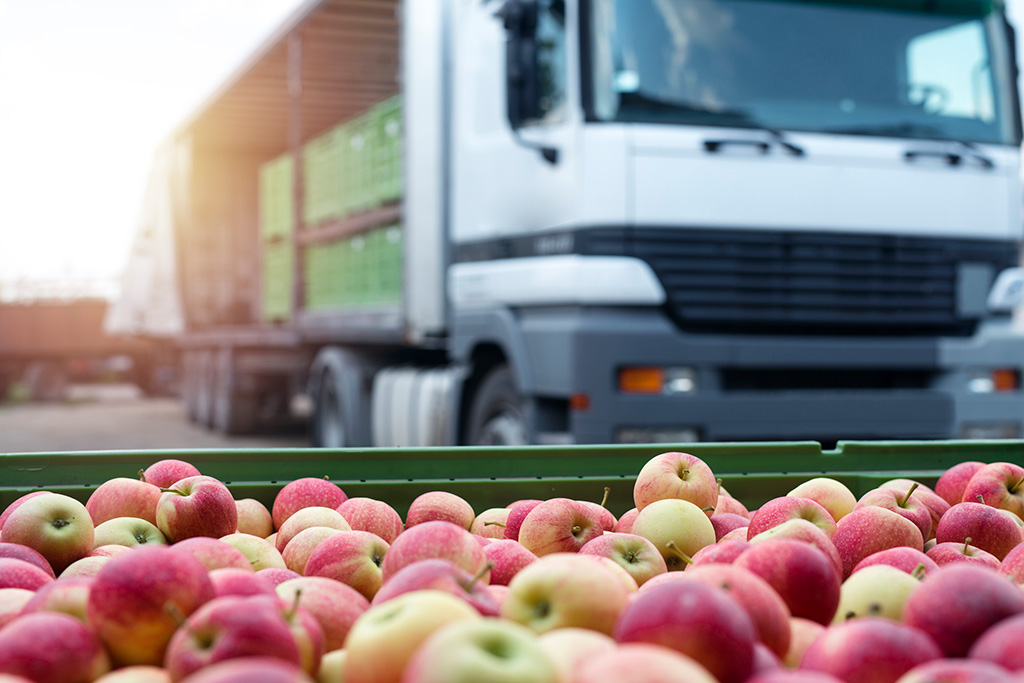
In the case of perishable goods, such as dairy products or seafood, maintaining the appropriate temperature during transportation is crucial. Data loggers can be strategically placed in shipping containers or delivery trucks to provide real-time temperature updates. If the temperature deviates from the optimal range, immediate corrective actions can be taken, preventing spoilage and preserving the taste of the products.

Retaining Nutritional Value

In addition to taste, the nutritional value of food is equally important for consumers’ health and wellbeing. Certain nutrients are sensitive to environmental conditions, and exposure to extreme temperatures or humidity can lead to nutrient degradation. Data loggers are indispensable tools in monitoring and controlling the storage conditions of food items to preserve their nutritional content.

For instance, vitamins and antioxidants in fruits and vegetables can be significantly affected by temperature fluctuations. By using data loggers, farmers and distributors can ascertain that these products are stored in the most suitable conditions, thereby maximizing their nutritional value and health benefits for consumers.

Using MadgeTech Data Loggers

MadgeTech, a leading provider of data logging solutions, offers a wide range of data loggers specifically designed for the food industry. Their devices are capable of monitoring temperature, humidity, pressure, and other essential parameters critical for maintaining food quality.

MadgeTech data loggers can be seamlessly integrated into various stages of the food supply chain. From production facilities and transportation vehicles to warehouses and retail outlets, these devices provide valuable data insights. With real-time monitoring, stakeholders can promptly respond to any deviations from optimal conditions, reducing the risk of food spoilage and waste.

For more information and assistance on implementing data loggers in your food supply chain, feel free to reach out to MadgeTech at [email protected].