




Posts by MadgeTech Marketing

About MadgeTech Marketing:

Founded in 1996, MadgeTech takes pride in maintaining our production process entirely out of our headquarters in Warner, New Hampshire. Proudly known as an industry expert, MadgeTech data logging solutions are sold in more than 100 countries around the world to the world’s most regulated industries, providing the validation needed for compliance and quality control.

Driving the Future: How Data Loggers Shape Electric Car Development

Posted on

The rapid advancement of electric vehicles (EVs) has revolutionized the automotive industry, offering a cleaner and more sustainable mode of transportation. Behind the scenes, engineers and manufacturers are tirelessly working to enhance the performance, efficiency, and safety of electric cars. One crucial tool aiding this development process is the data logger—a device that captures and analyzes valuable information about the vehicle’s performance.

Data loggers are compact devices designed to collect and record various types of data from a wide array of sensors within an electric vehicle. These sensors can monitor critical parameters such as battery temperature, voltage, current flow, and energy consumption. By collecting real-time data during test drives and simulations, engineers can analyze the vehicle’s behavior under different driving conditions. This data provides valuable insights into power distribution, battery efficiency, thermal management, and overall system performance.

One of the most critical aspects of electric vehicle development is battery management. Data loggers allow engineers to closely monitor battery performance and characteristics. They can track charging and discharging patterns, evaluate temperature variations, and assess the impact of different driving styles on battery life. This data enables manufacturers to enhance battery designs, optimize charging algorithms, and develop intelligent energy management systems to extend battery longevity and improve overall vehicle efficiency.

In addition to the initial development, data loggers also contribute to the continuous improvement and future innovations in electric cars. The enhanced data collection allows engineers to uncover new patterns, evaluate emerging technologies, and develop predictive algorithms for intelligent vehicle control and energy management.

Data loggers are indispensable tools in the development of electric cars. They enable engineers to capture and analyze crucial performance data, leading to optimized vehicle efficiency, enhanced battery management, and overall performance advancements. As electric vehicles become increasingly prevalent on our roads, data loggers will continue to play a pivotal role in shaping the future of sustainable transportation. With their assistance, we can accelerate the development of reliable, efficient, and safe electric cars, ushering in a cleaner and greener automotive era.

For more information on how data loggers can assist in electric car development, please contact us at [email protected].

Best Practices for Using Data Loggers in Medical Research

Posted on

In the exciting realm of medical research, data loggers are truly invaluable tools for collecting and analyzing data. These devices have the power to gather a wide range of valuable information, from temperature and humidity to pressure and other environmental parameters. However, it is crucial to adhere to best practices when it comes to data collection and analysis using data loggers. Doing so will ensure the accuracy and reliability of the collected data, ultimately propelling research forward.

Let’s delve into some essential best practices for employing data loggers in medical research:

Choose the Perfect Data Logger: It’s important to remember that not all data loggers are created equal. Each type is tailored to suit specific applications. Hence, it is paramount to carefully select the appropriate data logger that can accurately and reliably collect the specific data needed for research endeavors.

Calibration: Before putting a data logger to work, it’s crucial to ensure it is accurately calibrated. Calibration guarantees that the data collected falls within an acceptable range of error, thereby guaranteeing the reliability of findings.

Precise Installation: Properly positioning and installing the data logger is a key aspect of accurate data collection. For instance, when monitoring temperature, it is vital to position the data logger in a location that genuinely reflects the temperature of the area under observation.

Analyze the Data: Once the data is collected, it is essential to analyze it using appropriate statistical tools and techniques. This analysis can provide insights into trends, patterns, and relationships that can inform medical research.

Data Validation: Validation ensures that the data collected is accurate and reliable. Validation can include comparing data collected by the data logger with other sources of data or conducting a repeat test to confirm the data’s accuracy.

Documentation: Last but certainly not least, it is vital to document all the data collected by the data logger. Comprehensive documentation includes essential details such as the date and time of data collection, relevant environmental parameters, as well as any noteworthy issues or anomalies encountered during the process. This meticulous documentation ensures transparency and accountability in research endeavors.

Data loggers hold tremendous potential in the quest for knowledge and medical advancements. By adhering to these best practices, researchers can be confident in the accuracy and reliability of the collected data. MadgeTech simplifies these critical tasks by offering precise data loggers accompanied by ISO 17025-accredited calibrations. Additionally, the MadgeTech 4 Secure Data Logger Software provides a user-friendly interface with automatic calculations, report generation, and ensures data security in compliance with 21 CFR Part 11.

Safeguarding Food from Hazards with USDA Appendix A and Appendix B

Posted on

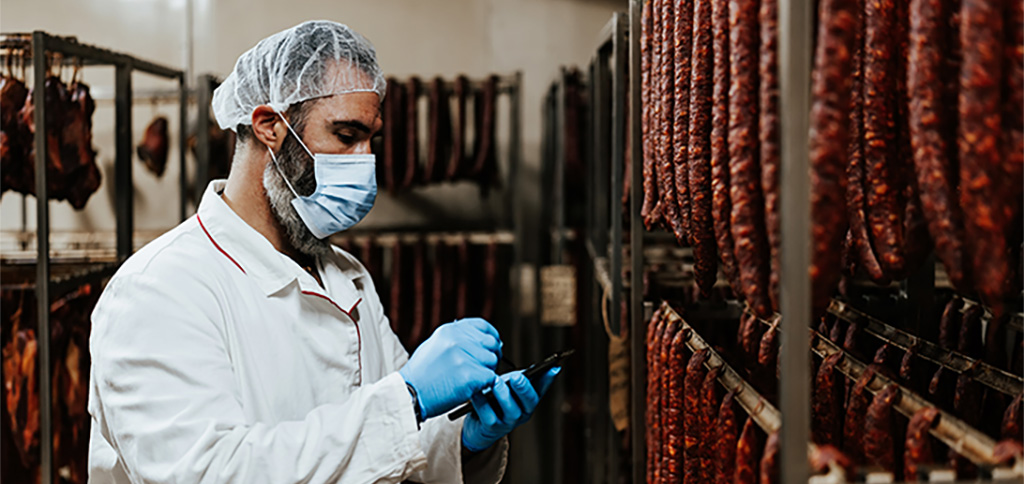
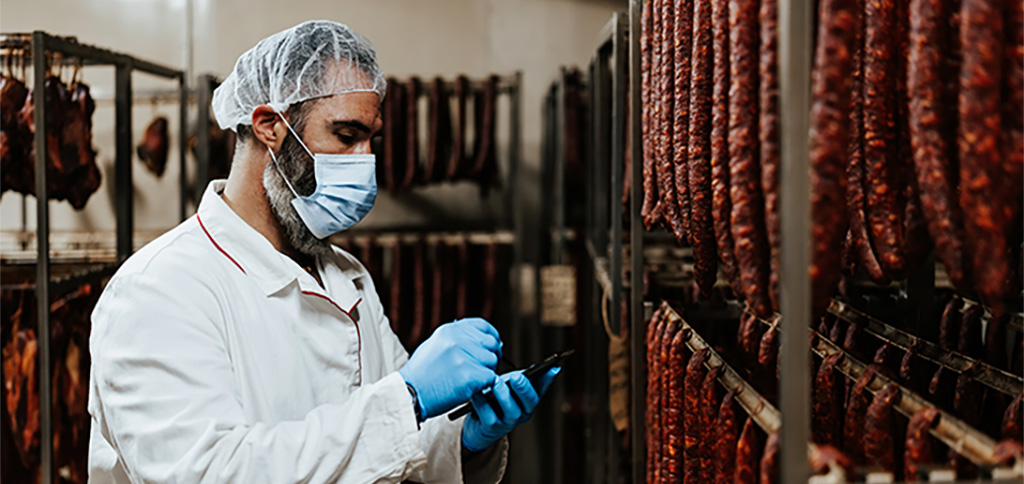
Temperature plays a crucial role in both Appendix A and Appendix B of the USDA HACCP regulations. Temperature is one of the key factors that can affect the safety and quality of food products, and it is an important parameter that is monitored and controlled throughout food processing and handling operations.

Continue reading Safeguarding Food from Hazards with USDA Appendix A and Appendix B