






 Posted on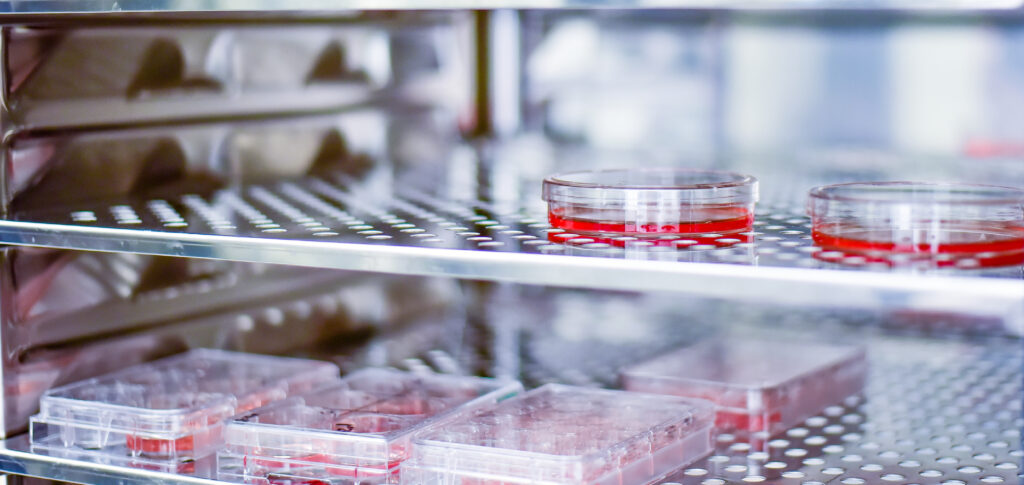
Every life-science breakthrough begins in the quiet corner of a lab. A single flask sits inside a small incubator, and researchers check it constantly—hoping it behaves exactly as expected. At this earliest stage, even tiny temperature changes can alter results. That’s why many teams rely on high-precision data loggers to capture consistent, trustworthy temperature readings while the science takes its first steps forward.
As experiments progress, the setup grows. What once fit on a benchtop begins moving into stability chambers, cleanrooms, and pilot-scale vessels where temperature and humidity both matter. Data loggers capable of monitoring dynamic environments become essential here—quietly tracking conditions inside controlled spaces to ensure samples, cultures, and materials stay exactly where they need to be.
Then comes the point where chemistry meets engineering. Processes such as fermentation, buffer prep, and media conditioning depend heavily on maintaining the correct pH. With data loggers that monitor parameters such as pH and temperature, scientists can observe shifts in real time and fine-tune the process before scaling it to the next level.
Eventually, the work reaches full-scale production. Large bioreactors hum steadily, environmental rooms hold tight specifications, and operators depend on multiple inputs to keep everything running smoothly. Multi-channel data loggers step in here—bringing together readings from various sensors to monitor complex systems simultaneously and ensure nothing drifts out of range during critical production steps.
From the earliest benchtop experiment to full bioreactor manufacturing, MadgeTech data loggers support life-science teams through every stage of scale-up—delivering the environmental insights needed to protect product quality, maintain compliance, and move forward with confidence.
