







 Posted on
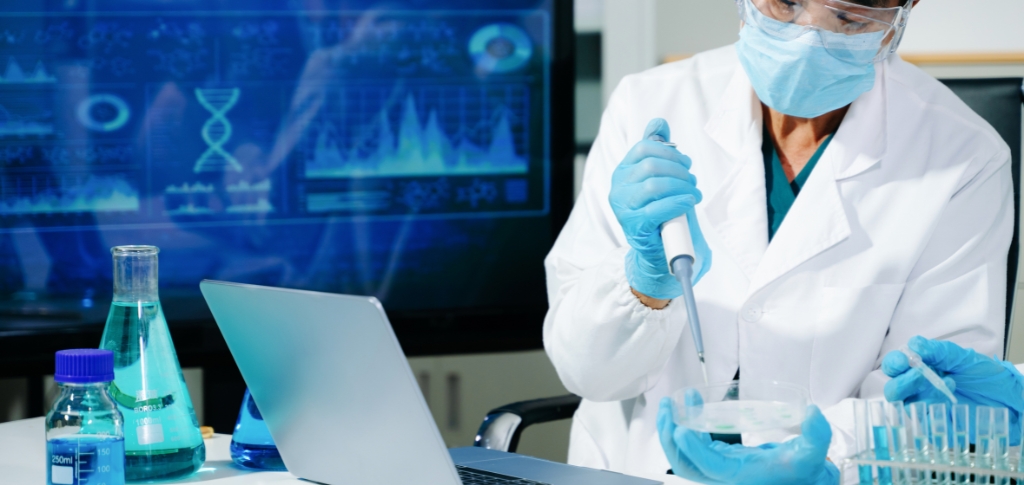
Cell and gene therapies are among the most advanced treatments in modern medicine. Because these therapies often involve living cells or highly sensitive biological materials, the manufacturing process must take place in carefully controlled environments. Maintaining strict environmental conditions is essential to protect product quality and ensure patient safety.
Production of cell and gene therapies typically occurs in cleanrooms designed to minimize contamination risks. These environments control factors such as airborne particles, temperature, humidity, and airflow to maintain stable processing conditions. Even small environmental deviations can affect sensitive biological materials, making continuous monitoring an important part of the manufacturing process.
Environmental monitoring programs help manufacturers confirm that cleanroom conditions remain within defined limits throughout production. Sensors placed throughout the facility can track temperature, humidity, and other environmental parameters during daily operations. Monitoring multiple locations within production areas helps ensure that environmental conditions remain consistent across the entire manufacturing space.
In addition to protecting product integrity, environmental monitoring supports regulatory compliance. Cell and gene therapy production is subject to strict quality standards, and manufacturers must demonstrate that controlled environments are properly maintained. Detailed environmental records provide documented evidence that facility conditions remained stable during manufacturing activities.
Continuous monitoring also allows quality teams to identify potential environmental changes before they impact production. By reviewing environmental trends over time, facilities can detect fluctuations related to equipment performance, HVAC systems, or operational activity. This proactive approach helps maintain stable, cleanroom conditions and reduces the risk of contamination.
As cell and gene therapies continue to advance, maintaining tightly controlled manufacturing environments remains critical. Effective environmental monitoring helps ensure that these complex therapies are produced under stable conditions, supporting both regulatory expectations and the consistent delivery of safe, high-quality treatments.
