


Posts by MadgeTech Marketing

About MadgeTech Marketing:

Founded in 1996, MadgeTech takes pride in maintaining our production process entirely out of our headquarters in Warner, New Hampshire. Proudly known as an industry expert, MadgeTech data logging solutions are sold in more than 100 countries around the world to the world’s most regulated industries, providing the validation needed for compliance and quality control.

Monitoring Electrical Panels for Overheating and Load Imbalance

Posted on

Walk through almost any production facility, and you will find electrical control panels mounted along walls, beside machines, or inside utility rooms. Their doors are typically closed and their indicator lights steady, making them easy to overlook during daily operations. Yet inside these enclosures, power is constantly being distributed to motors, conveyors, HVAC systems, and other equipment that keep the facility running.

Most of the time, these systems operate quietly and reliably. However, when electrical conditions begin to drift outside normal limits, the earliest warning signs often develop inside the panel itself.

One of the most common issues is heat buildup. Electrical components naturally generate heat during operation, but that heat must remain within safe limits. Overloaded circuits, loose electrical connections, aging components, or restricted airflow can all cause temperatures inside a panel to rise. Even moderate increases in temperature can accelerate insulation breakdown and shorten the lifespan of breakers, relays, and contactors.

Another concern is load imbalance. In three-phase electrical systems, power should be distributed as evenly as possible across each phase. When one phase carries significantly more load than the others, motors and transformers experience additional stress. This imbalance generates excess heat, reduces system efficiency, and can contribute to premature equipment wear.

The challenge is that these issues often develop gradually and may go unnoticed between routine inspections. While thermal imaging and scheduled maintenance checks are valuable tools, they capture conditions at only a single moment in time.

By installing compact temperature data loggers in electrical cabinets, facilities can continuously monitor internal conditions. Temperature trend data helps identify gradual heat buildup, recurring spikes during peak production periods, or abnormal fluctuations that may signal developing electrical problems.

With better visibility into panel conditions, maintenance teams can respond earlier—helping prevent equipment damage, reduce downtime, and maintain reliable facility operations.

Cleanroom Environmental Monitoring for ISO Certification

Posted on

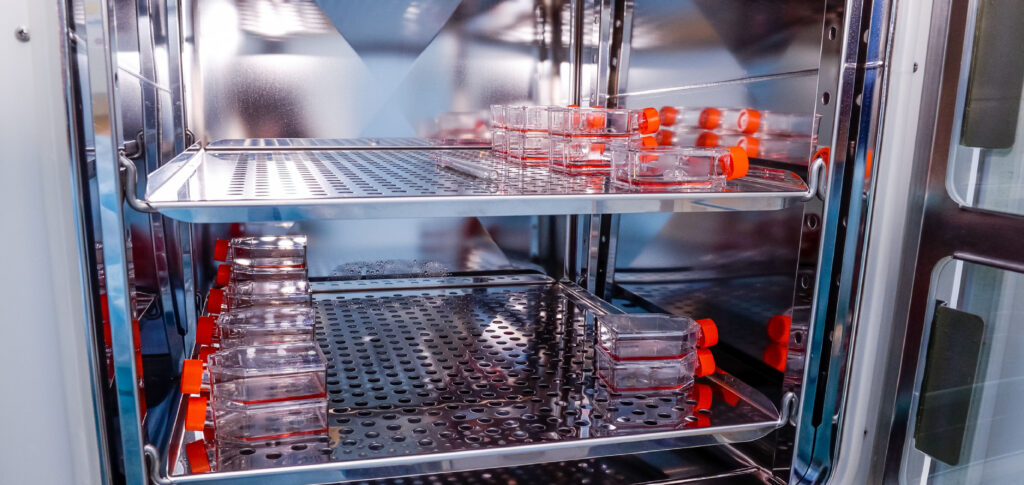
Cleanrooms are essential environments in life sciences, pharmaceutical manufacturing, and medical device production. These controlled spaces are designed to limit contamination by regulating airborne particles, temperature, humidity, and airflow. Maintaining strict environmental control is critical for protecting sensitive processes and ensuring product quality.

Environmental monitoring plays a central role in meeting strict requirements. Parameters such as temperature and humidity must be maintained within specific ranges to prevent contamination risks and ensure stable operating conditions. In addition, airflow and filtration systems must function properly to maintain appropriate particle control within the cleanroom environment.

Continuous monitoring provides a reliable way to verify that cleanroom conditions remain stable during daily operations. Sensors placed at critical locations within the cleanroom can record environmental data throughout production cycles, allowing facilities to track trends and detect potential deviations before they impact operations.

Documented monitoring also supports regulatory and certification audits. Maintaining accurate environmental records allows quality teams to demonstrate that cleanroom conditions were consistently controlled and that any deviations were properly investigated and addressed.

Data collected from environmental monitoring systems can also help facilities improve cleanroom performance. By reviewing trends in temperature, humidity, and other conditions, engineers can identify opportunities to optimize HVAC systems, airflow patterns, and operational procedures.

In highly controlled manufacturing environments, environmental stability is essential. By implementing effective monitoring programs, facilities can maintain compliance with ISO cleanroom standards while protecting sensitive products and processes from contamination risks.

Ensuring Compliance in HACCP Temperature Documentation

Posted on

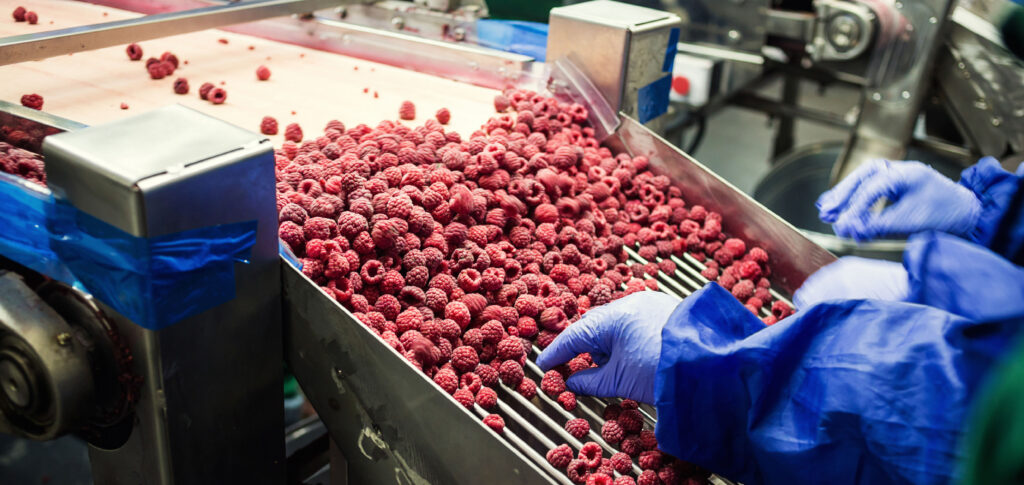
In a busy food production facility, the day often begins long before the first product leaves the line. Ovens heat up, refrigeration systems stabilize, and quality teams begin checking the environmental conditions that keep food safe. Behind many of these checks is a framework known as HACCP (Hazard Analysis and Critical Control Points).

HACCP programs are designed to identify potential food safety risks and establish monitoring points to prevent them. Temperature is one of the most closely watched factors in these programs. From cooking and cooling to storage and transportation, maintaining proper temperature conditions is essential to ensuring that food products remain safe for consumers.

But monitoring temperature is only part of the equation. Just as important is documenting those conditions in a way that clearly demonstrates that processes remained within safe limits.

In the past, many facilities relied on manual log sheets to record temperature readings. A technician might check a thermometer at scheduled intervals and write the result down before moving to the next location. While this approach can work, it captures only brief moments. Temperature changes that occur between checks—such as equipment cycling or frequent door openings—may go unnoticed.

Automated monitoring provides a clearer view of what is happening throughout the production process. By placing temperature data loggers at key HACCP control points—such as ovens, cooling systems, or refrigerated storage areas—facilities can continuously record environmental conditions.

Devices like the RFTemp2000A temperature data logger enable quality teams to track temperature trends in real-time and generate detailed records that support HACCP documentation. Reviewing this data helps confirm that processes stayed within acceptable ranges and provides valuable documentation during audits or inspections.

In food safety programs, accurate records tell the story of how a product was handled from start to finish. Continuous monitoring helps ensure that this story is complete, reliable, and ready whenever verification is needed.