


Posts by MadgeTech Marketing

About MadgeTech Marketing:

Founded in 1996, MadgeTech takes pride in maintaining our production process entirely out of our headquarters in Warner, New Hampshire. Proudly known as an industry expert, MadgeTech data logging solutions are sold in more than 100 countries around the world to the world’s most regulated industries, providing the validation needed for compliance and quality control.

Mastering Cold Chain Logistics: Data Loggers for Maintaining Quality in Food Transportation

Posted on

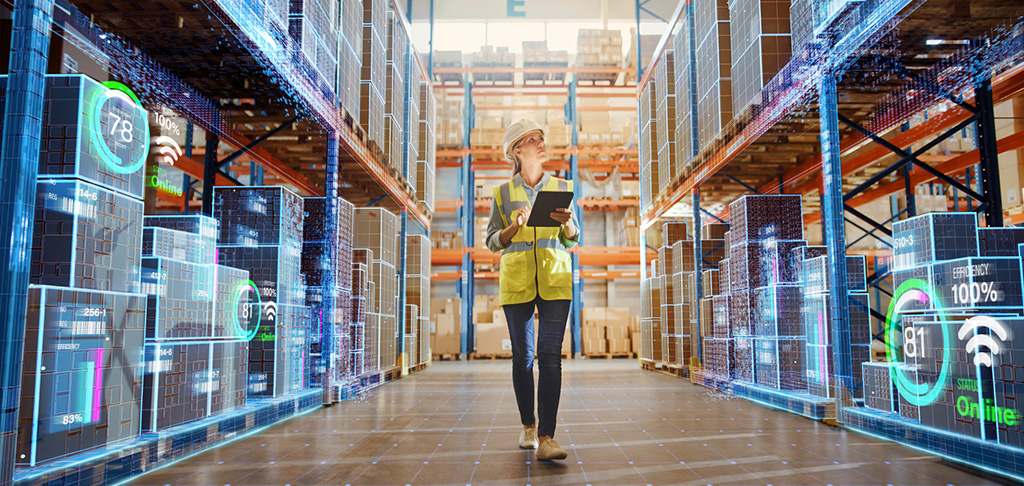
In the realm of food transportation, ensuring the quality and safety of perishable goods is paramount. The delicate balance of maintaining optimal temperature conditions during transit is a challenge that has been revolutionized by the use of data loggers. These innovative devices have emerged as essential tools in the cold chain logistics industry, safeguarding the integrity of food products from farm to fork.

The Cold Chain Challenge

The cold chain refers to the uninterrupted temperature-controlled supply chain that preserves the quality and extends the shelf life of perishable goods. From fresh produce to dairy and frozen products, maintaining specific temperature ranges is crucial to prevent spoilage, microbial growth, and chemical reactions that can compromise food safety.

Data Loggers: The Temperature Guardians

Data loggers play a pivotal role in mastering cold chain logistics. Equipped with temperature sensors, these devices are placed within shipments to monitor temperature variations in real-time. Here’s how they ensure quality throughout the transportation journey:

Real-time Monitoring: Data loggers continuously record temperature data, providing real-time insights into temperature fluctuations that may occur during transit.

Alerts and Notifications: If temperature thresholds deviate from the predetermined range, data loggers trigger alerts, allowing immediate corrective actions to be taken, such as adjusting refrigeration settings or rerouting shipments.

Quality Documentation: Data loggers generate comprehensive reports that serve as evidence of compliance with temperature requirements during transportation. These reports are valuable for audits and regulatory inspections.

Data Analysis: Collected data can be analyzed to identify patterns and trends, aiding in the optimization of transportation routes, equipment performance, and packaging strategies.

Benefits for Food Safety and Sustainability

The use of data loggers in cold chain logistics has far-reaching benefits. By ensuring that food products remain within safe temperature limits, data loggers minimize the risk of food-borne illnesses and reduce the need for product recalls. Additionally, by reducing spoilage and waste, these devices contribute to sustainability efforts in the food industry. As the food industry continues to evolve, data loggers stand as crucial tools in mastering the intricacies of modern food supply chains.

Introducing MadgeTech’s LynxPro Series: Revolutionizing Data Logging with Bluetooth Connectivity!

Posted on

MadgeTech, a pioneer in data logging technology, announces the launch of its groundbreaking LynxPro Series! This cutting-edge series marks MadgeTech’s debut in the realm of Bluetooth Data Loggers, offering a diverse range of options to address temperature monitoring needs.

Say goodbye to the hassles of manual temperature tracking, because the LynxPro Series is here to revolutionize the game. This innovation is meticulously designed to provide precise insights into temperature and humidity fluctuations.

LynxPro: Simplifying Temperature Monitoring

For overseeing expansive warehouses, intricate laboratories, or complex HVAC systems, the LynxPro stands as the trusted companion. Operating seamlessly within a temperature range of -20°C to 60°C, its exceptional precision ensures the unerring management of temperature.

LynxPro-RH: The Complete Solution

Seeking an all-encompassing solution? Look no further than the LynxPro-RH. This powerhouse seamlessly integrates ambient temperature measurement with humidity sensing, offering a comprehensive perspective of the surroundings. With the capability to measure -20°C to 60°C and 0 to 95% RH, the LynxPro-RH is meticulously crafted for applications such as HVAC optimization, cleanrooms, and cutting-edge storage facilities.

LynxPro-RTD: Precision Unleashed

When the necessity for remote temperature measurements arises, the LynxPro-RTD stands as the ultimate choice. Outfitted with a 48″ RTD (Resistance Temperature Detector) probe, it empowers you to measure temperatures across a wide range from -100°C to +200°C with unparalleled accuracy. Whether the terrain encompasses cryogenic environments, intricate industrial processes, or groundbreaking research applications, the LynxPro-RTD ensures the capture of critical temperature data with unmatched reliability.

LynxPro-VAX: An Asset for Vaccine Monitoring

In response to the critical need for vaccine monitoring, MadgeTech proudly presents the LynxPro-VAX. These specialized units come equipped with an external RTD and glycol buffer, ensuring full compliance with VFC programs. Available in various sizes of glycol bottles, the LynxPro-VAX can effortlessly accommodate any storage requirements. With a two-point calibration, it’s the ultimate solution for safeguarding vaccines.

With a simple button press, connections are established, readings are downloaded, reports are effortlessly generated, and they can be seamlessly dispatched to authorized recipients. Programming and device management have never been more user-friendly within the app. Additionally, all LynxPro devices seamlessly integrate with the latest version of MadgeTech 4 Data Logger Software.

Don’t miss out on the future of data logging. Embrace the LynxPro Series by MadgeTech and elevate your temperature monitoring to new heights! For more information and to explore our extensive range of products, visit www.madgetech.com.

Data Loggers vs. Traditional Monitoring Methods: A Comparative Analysis

Posted on

In the realm of data collection and analysis, the battle between tradition and innovation often shapes the path toward more efficient and accurate solutions. This becomes especially apparent when comparing data loggers with a well-established traditional method – strip chart recorders. Let’s delve into a comparative analysis to understand the strengths and weaknesses of each approach.

Traditional Monitoring Methods: Strip Chart Recorders

Traditionally, strip chart recorders have been a stalwart for data monitoring. These mechanical devices record data on paper in the form of continuous graphical charts. While they’ve served their purpose, they do come with notable drawbacks:

Human Involvement: Strip chart recorders rely heavily on manual setup, operation, and chart replacement. This increases the risk of human error and inconsistencies in data collection.

Limited Automation: Automation is minimal, leading to delays in detecting deviations from desired parameters. Continuous human supervision is necessary to ensure timely data collection.

Accuracy Challenges: The accuracy of strip chart recorders can be compromised by factors such as chart speed, calibration, and mechanical limitations.

Data Interpretation: Analyzing data from strip chart recorders can be time-consuming and subject to interpretation errors, potentially hindering quick decision-making.

Data Loggers: The Innovation Advantage

Data loggers, in comparison, bring a new level of precision and automation to the table. These compact electronic devices continuously monitor and record data at predefined intervals. Their benefits are numerous:

Accuracy and Consistency: Data loggers offer high accuracy and consistency in data collection, minimizing human errors and ensuring reliable results.

Real-time Monitoring and Alerts: Data loggers provide real-time insights and can trigger alerts for immediate action when parameters deviate, enabling proactive responses.

Automation: Automation in data collection reduces the need for constant human supervision, freeing up resources for higher-value tasks.

Data Analysis and Optimization: Continuous data collection over extended periods allows for comprehensive analysis, aiding in trend identification and process optimization.

Cost-effectiveness: Despite initial investment, data loggers are cost-effective over time due to reduced labor requirements and improved data quality.

Choosing the Right Approach

The choice between data loggers and traditional methods, like strip chart recorders, hinges on specific needs and goals. For applications demanding accuracy, real-time insights, and automation, data loggers emerge as the superior choice. Industries such as healthcare, manufacturing, and logistics are adopting data loggers to elevate their operations.

However, in situations requiring infrequent data collection or where automation isn’t a priority, traditional methods like strip chart recorders may still suffice.

In the realm of data collection and analysis, data loggers clearly outshine traditional methods like strip chart recorders. The precision, automation, real-time insights, and cost-effectiveness they offer make them invaluable assets for modern industries. While tradition has its place, the march of progress and innovation points to a future that embraces data loggers as a pivotal tool for efficient, reliable, and data-driven decision-making processes.